A Complete Guide to What You'll Actually Pay
The worry that a roof will cost more than quoted is common, and understanding what you will actually pay puts a Meridian-Kessler homeowner in control. This guide explains how the quote relates to the final invoice, what a complete total covers, the role of the deposit, why decking is the main variable, how change orders and permits work, and how to avoid surprises. The figures any contractor cites are typical ranges, while your real number comes from a measured estimate that reflects your specific roof, with decking the one genuine contingency that a small buffer covers comfortably.
What Can and Can't Change
The table below summarizes the main cost components, whether a complete quote should include them, and whether each can change. Treat it as a quick reference for reading a quote and spotting omissions. The recurring theme is that a thorough quote covers nearly everything upfront, leaving only genuine decking repair as a legitimate variable, so anything else appearing as a surprise on the final invoice is a sign the original quote was incomplete or the contractor was not transparent.
| Cost Component | In a Complete Quote? | Can It Change? |
|---|---|---|
| Materials and labor | Yes | Rarely, if scope is fixed |
| Tear off and disposal | Yes | No |
| Permit | Yes | No |
| Decking repair | Noted as possible add on | Yes, found after tear off |
| Upgrades you request | Only if chosen | Yes, by your choice |
| Cleanup | Yes | No |
Decking and Hidden Repairs
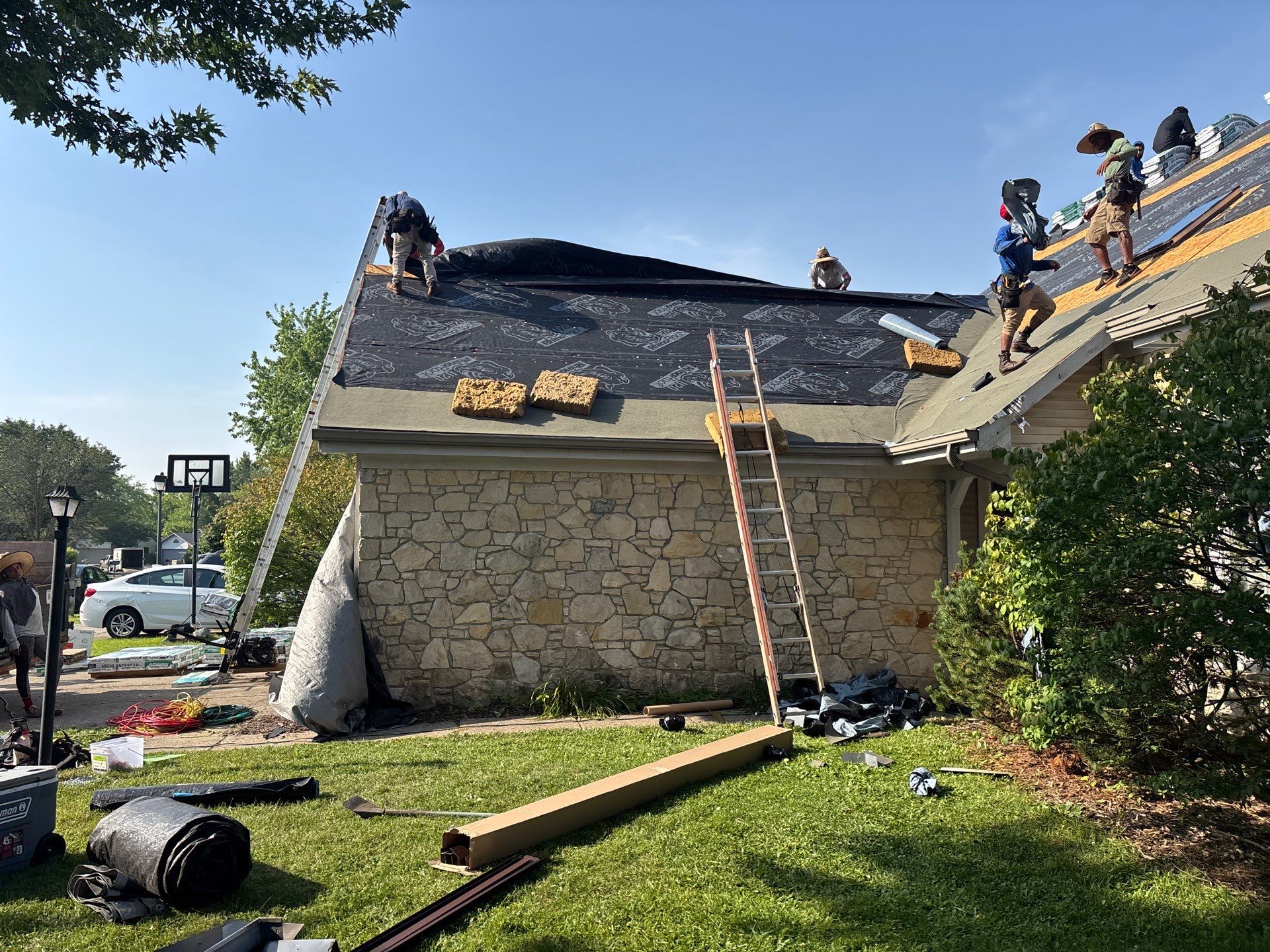
The decking is the most common hidden repair, because rotted or damaged wood beneath the old roofing is often not visible until that roofing is removed. Bad decking must be replaced for the new roof to hold and is priced per sheet, with a good quote noting it as a possible add on. For a Meridian-Kessler homeowner, decking is the one cost that genuinely cannot be fully known in advance, so a small buffer for it is wise, and a reputable contractor shows you the damaged wood before replacing it, keeping the charge transparent and justified rather than a vague surprise on the final bill.
Change Orders
A change order documents any change to the agreed scope, such as added decking, an upgrade you request, or a condition uncovered during the work. A legitimate change order is agreed in writing with a clear price before the work proceeds, so nothing is billed without your approval. For a Meridian-Kessler homeowner, change orders are a protection rather than a trick, as long as each is explained, priced, and approved in advance. Unexplained additions on the final invoice are the real concern, so confirming any change is documented and signed off keeps the process fair and the cost transparent throughout the project.
Avoiding Surprises
Avoiding surprises comes down to a few steps: get a detailed, itemized quote, confirm what is and is not included, ask how decking and change orders are handled, verify the permit is covered, and get everything in a clear written contract. A small buffer for decking covers the one genuine variable. For a Meridian-Kessler homeowner, these steps turn an uncertain cost into a predictable one, since surprises thrive on vague quotes and contractors who are not upfront. A thorough, transparent contractor and a detailed agreement are the best protection against paying more than you expected on the final invoice.
The Quote and the Final Invoice
With a complete, itemized quote, the final invoice should land very close to it, since the quote already captures the full scope. The gap people fear comes from a quote that omitted work or genuine decking found after tear off. A thorough quote closes the first and flags the second. For a Meridian-Kessler homeowner, the key is insisting on a detailed quote that lists everything, since a vague headline number invites a higher final bill, while a complete one means the invoice holds few surprises beyond the decking that cannot be fully assessed until the roof is open, which a small buffer already covers.
The Deposit and Payments
Most contractors ask for a deposit to secure materials and scheduling, with the balance due on completion or split across milestones. A reasonable deposit is a portion of the total, not the majority, and you should never pay in full before the work is done, with the schedule spelled out in the contract. For a Meridian-Kessler homeowner, understanding the payment structure is part of knowing what you pay and when, and it screens for trustworthiness, since a fair contractor ties payment to progress while one demanding most of the money upfront is a warning sign worth heeding before committing to the project.
Disposal and Cleanup
Tearing off the old roof generates debris, and disposing of it along with cleaning the property is part of the cost, covering the dumpster, hauling, and the labor to leave your home clean, including nail sweeping. A complete quote includes disposal and cleanup rather than treating them as extras. For a Meridian-Kessler homeowner, understanding that these are part of the legitimate total explains part of the number and provides another item to confirm a quote covers, since a quote omitting them may look cheaper but leaves out necessary work. A roof job is not truly finished until the debris and stray nails are gone.
Paying With Confidence
Paying with confidence comes from understanding what you are paying for. A complete itemized quote, a clear contract, a fair payment schedule, transparent handling of decking and change orders, and a small buffer together make the cost predictable. For a Meridian-Kessler homeowner, this understanding removes the anxiety of the final invoice, since you know what the total covers and what could legitimately change. Meridian-Kessler Roofing provides Meridian-Kessler homeowners free, itemized estimates and transparent pricing, so you can approach a roof replacement knowing what you will actually pay and trusting that the final number reflects the agreement you made at the start. Knowing what each line of the quote represents is what turns a large purchase into a clear, predictable transaction you can trust.
Permits and Fees
A roof replacement usually requires a permit, sometimes with an inspection, and the cost varies by locality. A complete quote folds the permit in, so it is part of the price rather than an extra, and pulling it ensures the work meets code. For a Meridian-Kessler homeowner, confirming the permit is included avoids a surprise, and it matters beyond cost, since a contractor who skips the permit to save money creates risk with code compliance and at resale. The permit is a small but real and necessary part of an honest total, so a quote omitting it is incomplete rather than genuinely cheaper.
Budgeting Realistically
Budgeting realistically means planning for the complete total plus a small buffer for the decking that cannot be fully assessed in advance. A modest cushion means that if some boards need replacing, the cost is already accounted for, and if not, the buffer stays with you. For a Meridian-Kessler homeowner, realistic budgeting converts the one genuine unknown into a non event, since you have planned for it, and it keeps the project free of financial strain. This is sensible for any roof, turning the uncertainty that worries homeowners into a manageable, anticipated part of the overall cost rather than a shock.